Tree Removal in Rutland, Kelowna
Siberian elms, cottonwoods, walnuts and worn-out fruit trees on Rutland's mature lots, removed or pruned and cleaned up. Free written quotes.Rutland Tree Removal & Tree Service
Tree removal in Rutland, Kelowna keeps Kelowna Expert Tree Service busy all year: overgrown Siberian elm, black cottonwood towering over garages, English walnut, Norway maple and fruit trees past their best. We take trees down whole or in rigged sections, prune and thin crowns, clear brush and overgrown back lots, and handle storm and hazard removals. Stump grinding is added to a removal when you ask for it.
Rutland is Kelowna's largest neighbourhood by far, with about 34,800 people on the northeast side of the city, roughly 9.6 km and 13 minutes from City Hall. It was an unincorporated town until the province amalgamated it with Kelowna in 1973. The name comes from John "Hope" Matthew Rutland, who planted the area's first commercial orchards and put in its first large irrigation system; the post office opened on October 1, 1908. Most calls we get for tree removal, Rutland included, are about big deciduous trees on older lots.
Rutland at a glance
- About 34,800 residents, median age 39.2
- Part of Kelowna since 1973
- Siberian elm removal: exempt from Bylaw 8041
- Boulevard trees: City-owned under Bylaw 8042
Can You Cut Down a Siberian Elm in Rutland Without a Permit?
Yes. Kelowna's Tree Protection Bylaw No. 8041 names Siberian elm, Russian olive and tree of heaven as invasive trees, and removing them is exempt even on land the bylaw protects. Most of Rutland sits on the flat valley bottom, outside the steep and riparian areas the bylaw covers, so most yard trees here need no permit anyway.
Siberian elm is the one we cut most often on Rutland's older lots. It seeds itself into fence lines and gardens, and a big one leaning over a garage or an apartment parking area is a common hazard call. The other two show up as well: Russian olive is a thorny tree up to 11 m with thorns 2 to 7 cm long, and tree of heaven can reach 15 m in 25 years.
Fruit trees are exempt too. The bylaw defines them as Malus, Prunus, Pyrus and Cydonia, which covers apples, cherries, plums, pears and quince, so an old apple left over from Rutland's orchard days can come out without paperwork. Fire blight, the bacterial disease that bends apple and pear shoots into a shepherd's crook, is a common reason they decline.
Big Deciduous Trees on Rutland's Older Lots
Plenty of Rutland yards carry broadleaf trees far bigger than anyone planned for. Black cottonwood can grow 30 to 50 m tall with a trunk more than 2 m across, and it grows fast wherever its roots find water. Norway maple, a European shade tree brought to North America in the mid-1700s, and English walnut are common here too.
Trees this size are rarely dropped whole. A house, a garage or the neighbour's roof is usually within reach, so we climb, dismantle from the top and lower each limb on a rope through a block. Walnut adds one more step: its leaves and husks contain juglone, a natural herbicide, so that debris gets hauled away instead of chipped onto your garden beds.
Elms carry one more watch item. Dutch elm disease was confirmed in BC for the first time in June 2024, in American elms in the Kootenay Boundary region, and CFIA now lists the province as partially infested. If an elm on your lot wilts and yellows in midsummer, have it looked at before the wood is cut up and moved.
Boulevard Trees, Hot Summers and Storm Limbs
Not every tree in front of a Rutland house belongs to the homeowner. Trees on City boulevards and in parks fall under Municipal Properties Tree Bylaw No. 8042, and only Parks Division staff or their contractors may prune them; no one may remove one without written permission. If a boulevard tree is lifting your driveway, call the City first. We only work on trees on your side of the line.
Summers here are hard on big trees. Kelowna gets about 380 mm of precipitation a year, with June the wettest month and a sharp drying trend after it. On June 29, 2021 the city reached 45.7 °C, its hottest day on record. Heat-stressed trees drop limbs and draw bark beetles, so sudden dieback in a large tree is worth a look.
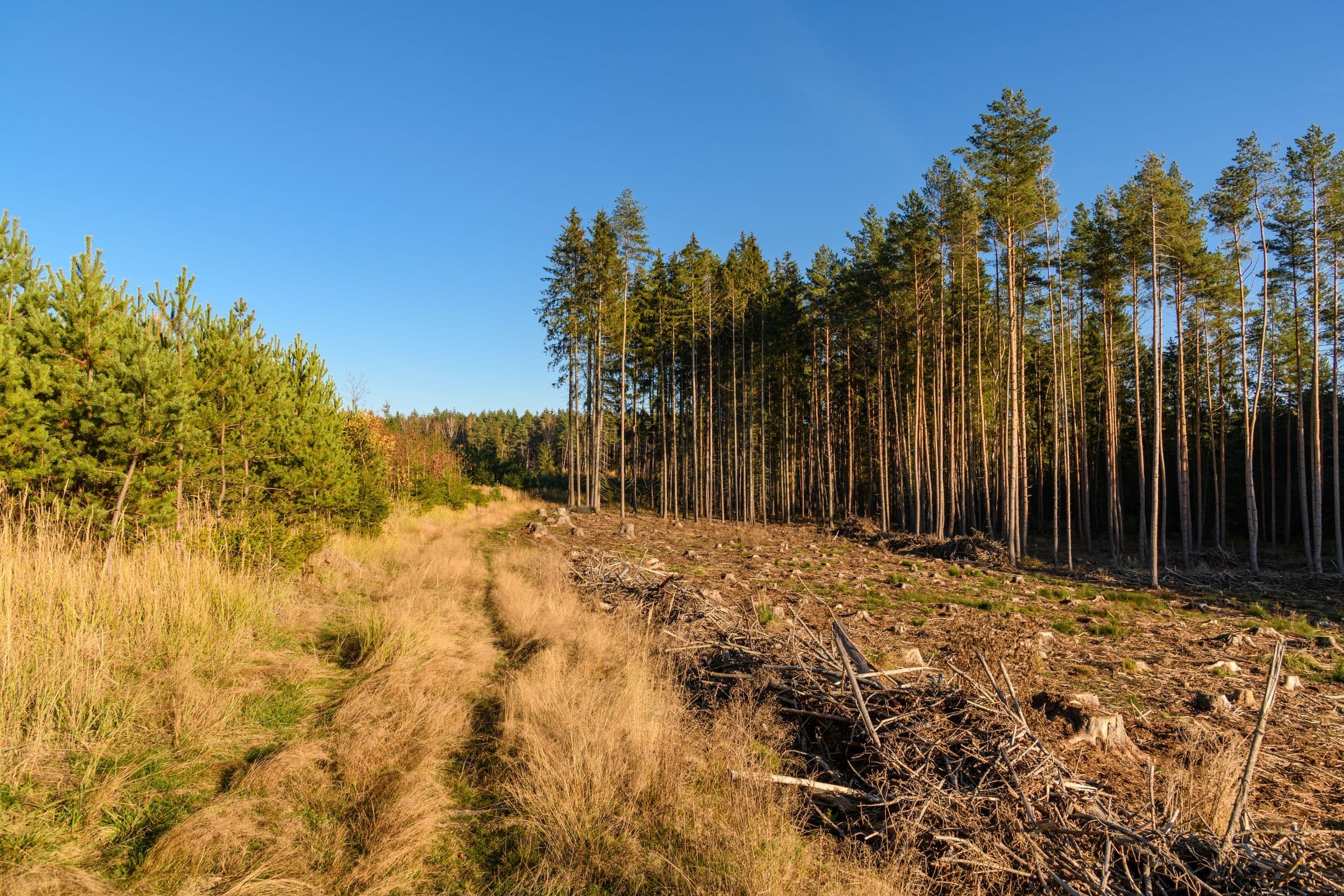
Highway 33 runs through Rutland toward Joe Rich and Big White. During the August 2017 Joe Rich fire, the emergency reception centre opened at Willow Park church on Highway 33 while the road was closed further east. Rutland's hillside fringe toward Black Mountain and Belgo is where fuel reduction matters most; our FireSmart wildfire mitigation page explains the zones.
Types of Tree Service We Offer in Rutland
Invasive Tree Removal
Siberian elm, Russian olive and tree of heaven cut low, with no permit needed, and a plan for the root sprouts that try to come back.
Large Cottonwood and Maple Removal
Tall broadleaf trees over garages, sheds and power drops, dismantled limb by limb and lowered on rigging instead of felled across the yard.
Old Orchard Tree Removal
Apples, pears and cherries from Rutland's orchard years, removed when fire blight or age has finished them. Fruit trees are exempt from Bylaw 8041.
Tree Pruning and Deadwood Removal
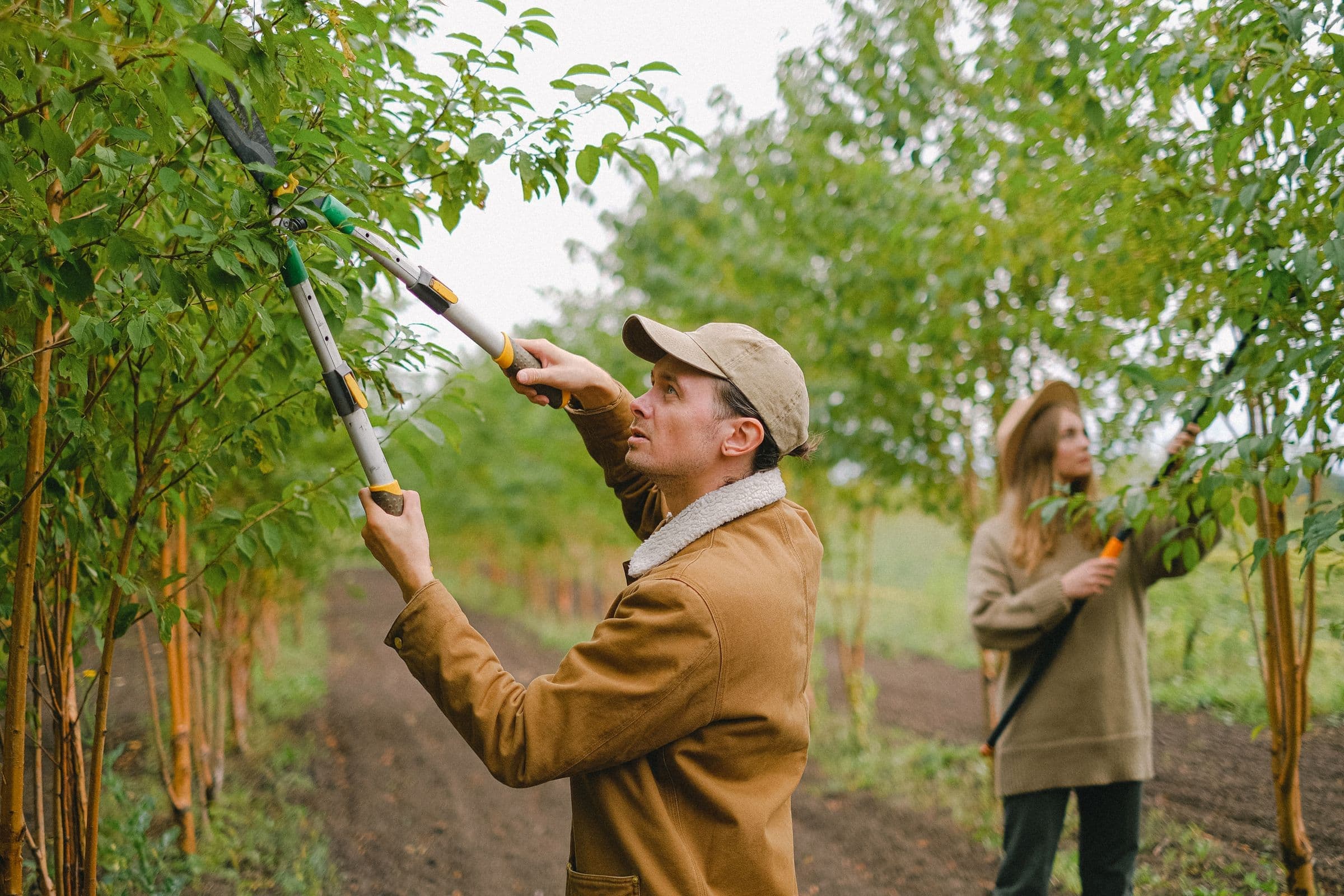
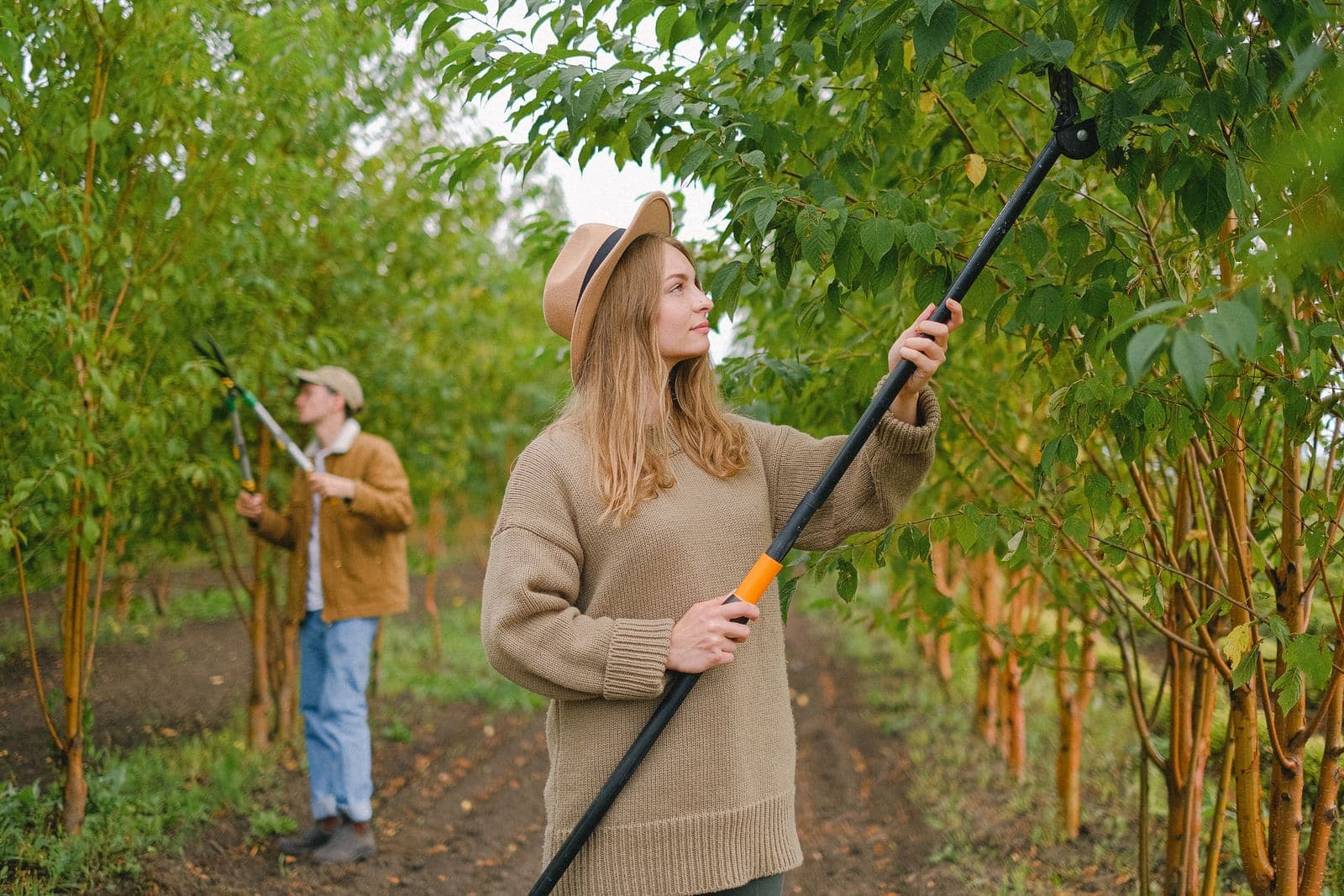
Dead limbs out, clearance off the roof and crowns thinned, keeping each visit under 25% of the live crown. See tree trimming and pruning.
Storm and Emergency Tree Removal
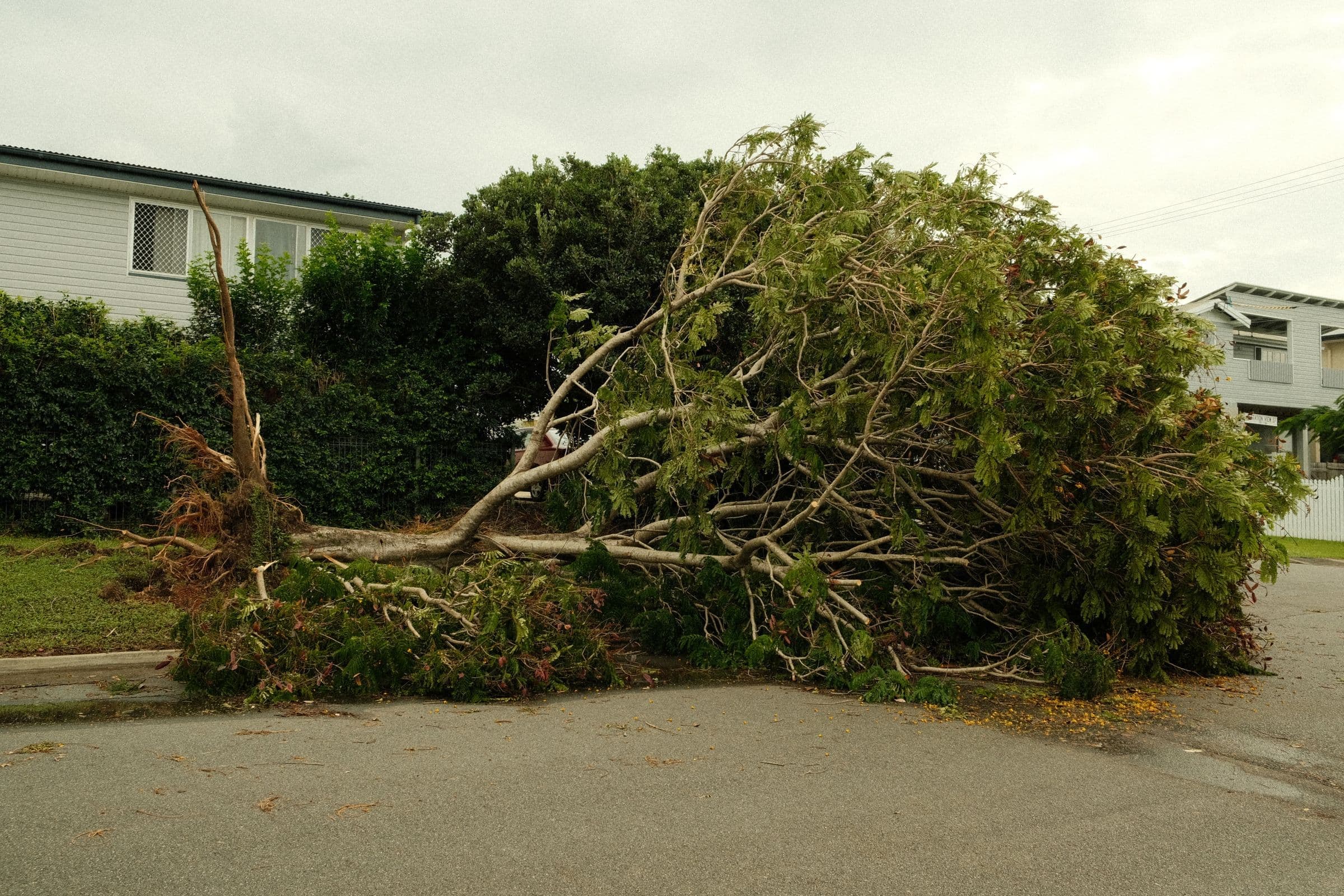
Split elms and torn cottonwood limbs on roofs, cars and fences after a windstorm, made safe and cut free in sections. See emergency tree removal.
Overgrown Back Lot Clearing
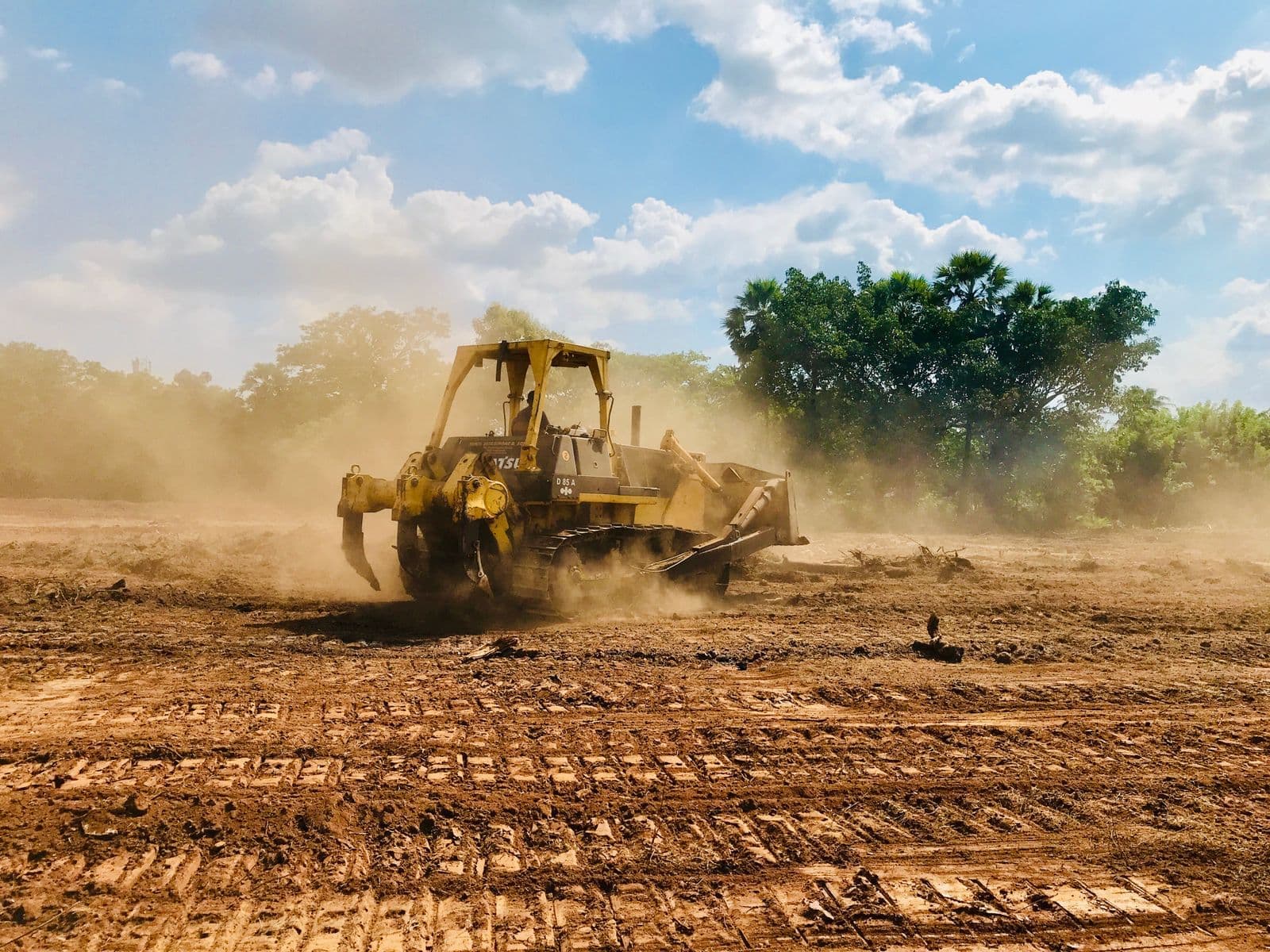
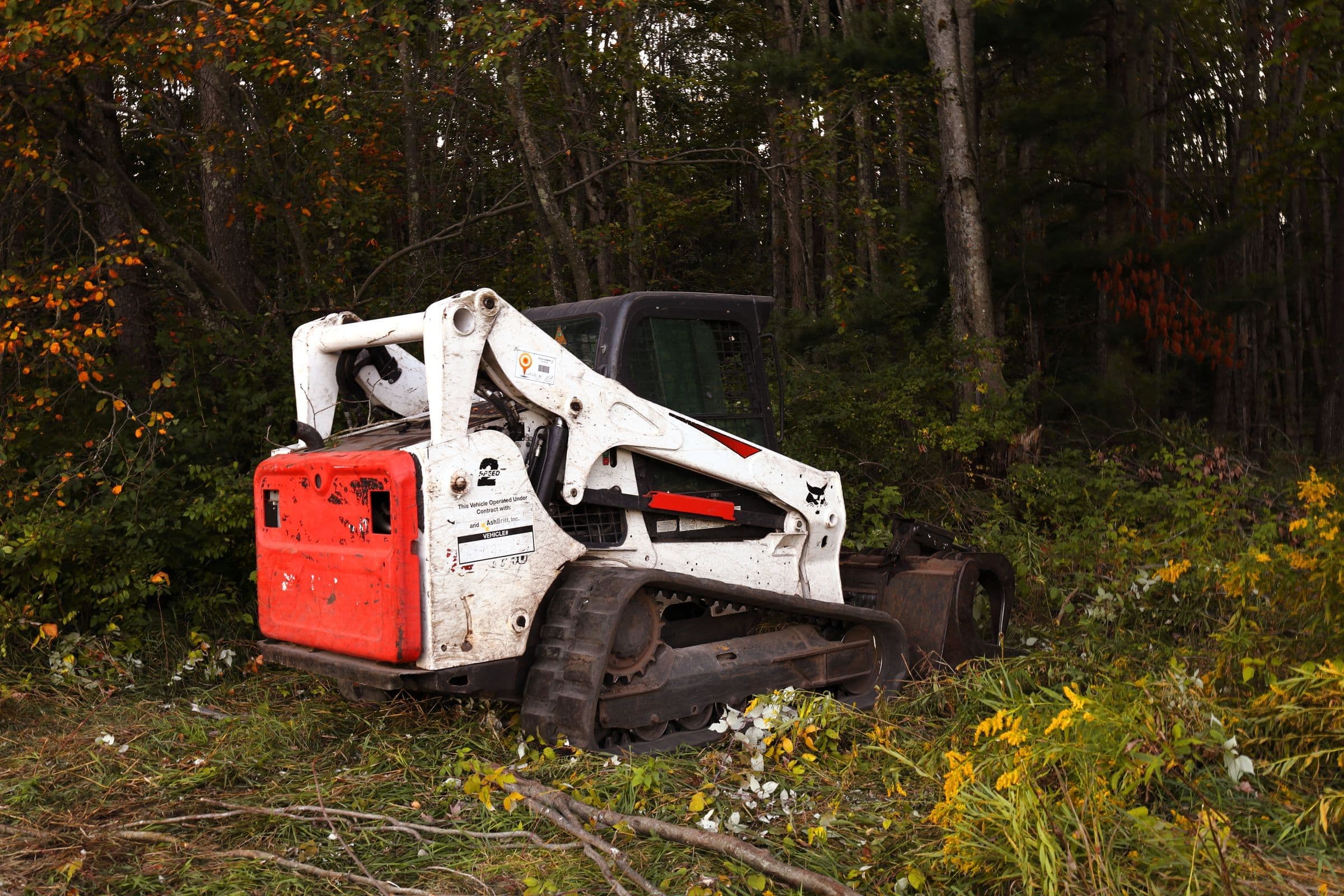
Volunteer elms, saplings and brush that have taken over the back of a deep lot, cut and chipped so the yard is usable again.
Rutland Tree Service FAQs
How much does it cost to remove a big elm or cottonwood in Rutland?
Most large deciduous removals fall within published 2026 Kelowna ranges of $650 to $1,500 for a 20 to 50 ft tree and $1,500 to $3,000 for 50 to 80 ft. Tight access between houses and garages pushes a job toward the top of the range. We quote in writing after seeing the tree.
Can you grind the stump when you take the tree out?
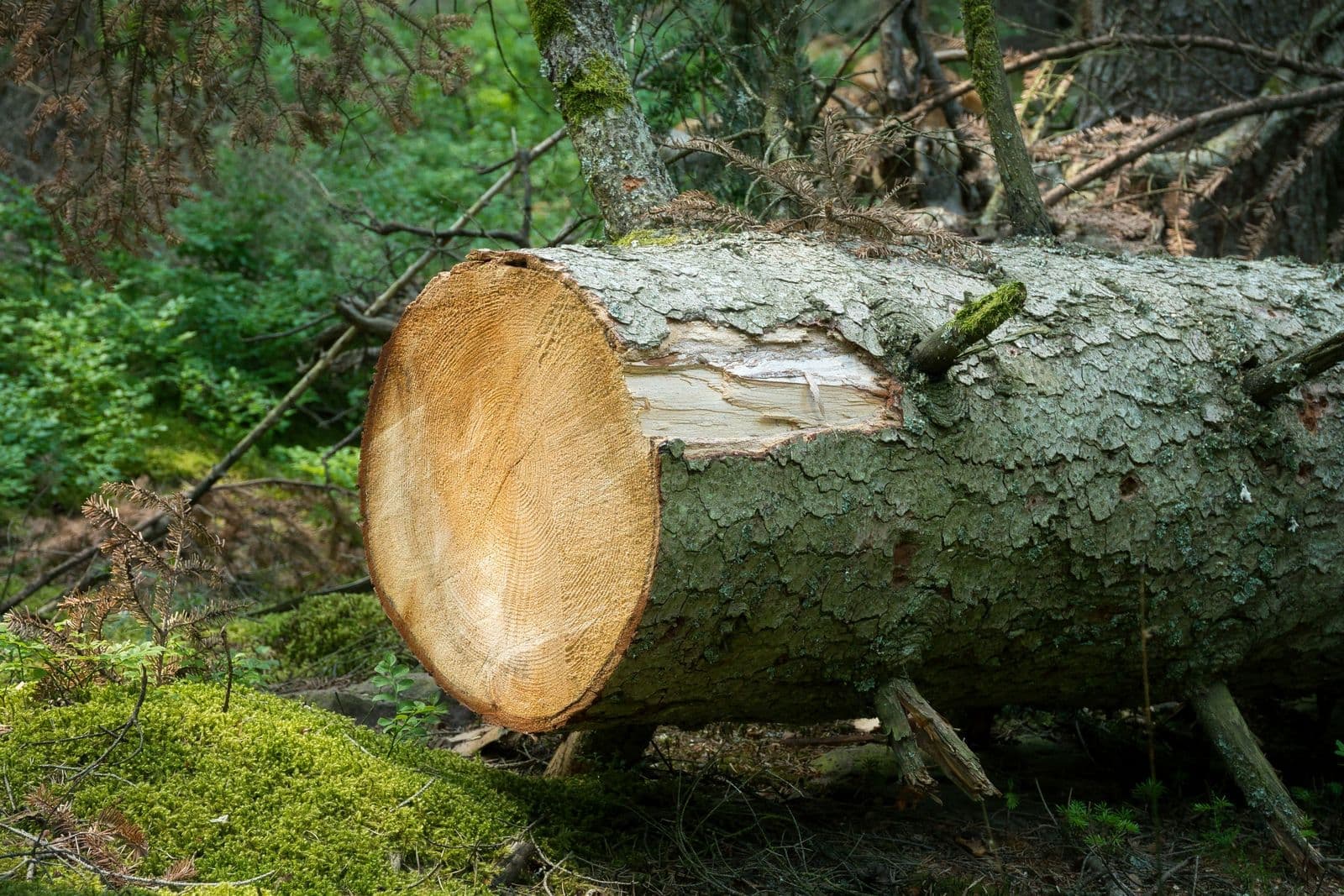
Yes, as an add-on to the removal. Published 2026 rates run $3.50 to $6.00 per inch of stump diameter, with typical minimums of $150 to $200, and the grinder takes the stump about 20 to 25 cm below grade. We grind stumps only from trees we remove, not as a separate job.
Does Kelowna's tree bylaw apply anywhere in Rutland?
On the hillside edges, it can. Where Rutland's fringes climb into the hills, lots on slopes of 30% or more inside a Natural Environment/Hazardous Condition DP Area fall under Bylaw 8041, and trees 100 mm or wider need a $50 permit. Riparian areas along creeks count too. Flat valley-floor lots are outside it.
Can I keep the wood from a big maple or walnut?
Yes. Tell us when we quote and we will cut the trunk into rounds and stack them where you want, which also trims the haul-away part of the price. Walnut leaves and husks still leave the property, because the juglone in them stops most plants from growing where they land.
When should Rutland's fruit and shade trees be pruned?
Late winter, while maples, elms and fruit trees are dormant, is the best window for structural pruning. Fire blight is the exception to waiting: dormant cankers are cut out 15 to 30 cm below the canker margin, and summer strikes at least 30 cm below the visible disease, with pruners disinfected between cuts. Broken or hanging limbs come off any time.
Do you work in the rest of Kelowna and across the lake?
Yes. From Rutland we cover Belgo, Ellison, the Hollywood Road and McCurdy Road areas, Black Mountain and the rest of Kelowna, plus Lake Country, Peachland and Vernon. Highway 97 North passes within about 2.5 km of central Rutland, which keeps those trips short. Bennett Bridge.
We also proudly serve West Kelowna, across the W.R.
Tree Services Available in Rutland
- Emergency & Hazard Tree Removal
- FireSmart Wildfire Mitigation
- Forestry Mulching
- Land & Lot Clearing
- Tree Trimming & Pruning